

Effects of Smoking and Tobacco Products on Teeth and Gums


Effects of Smoking and Tobacco Products on Teeth and Gums

How Tobacco Silently Destroys Your Oral Health

Most people associate tobacco with lung cancer and heart disease, but very few realize how aggressively it damages teeth, gums, and jaw bone. Whether it is cigarettes, sheesha, gutka, paan, naswar, vaping, or heated tobacco products, all forms of tobacco pose serious risks to oral health.

Dentists frequently encounter patients with advanced gum disease and tooth loss where tobacco use is the primary hidden cause. Unfortunately, by the time symptoms become visible, the damage is often extensive.


How Tobacco Harms Oral Health

All tobacco products contain nicotine and toxic chemicals that reduce blood circulation to the gums. This weakens the body’s natural defense system and slows healing, making the mouth highly vulnerable to infection, inflammation, and permanent damage.


1. Gum Disease (Periodontal Disease)

Smoking and smokeless tobacco are among the leading causes of gum disease.

Common effects include:

  • Reduced blood flow that hides early warning signs
  • Gums becoming infected without pain or bleeding
  • Gradual loss of bone supporting the teeth
  • Teeth becoming loose or falling out

Because symptoms are often masked, smokers usually seek treatment very late.


2. Tooth Staining and Discoloration

Nicotine and tar cause deep, stubborn stains on teeth.

  • Cigarettes and sheesha stain enamel over time
  • Gutka, paan, and naswar cause severe dark discoloration
  • Stains return quickly even after professional cleaning

This directly impacts smile appearance and self-confidence.


3. Persistent Bad Breath (Halitosis)

Tobacco dries the mouth and encourages bacterial growth.

  • Long-lasting bad breath despite brushing
  • Reduced saliva, which normally cleans the mouth
  • Strong odor, especially with smokeless tobacco

Mouthwash only masks the smell and does not fix the root problem.


4. Higher Risk of Tooth Decay

Nicotine reduces saliva production, leading to:

  • Dry mouth
  • Rapid plaque buildup
  • Increased cavities

Smokers often develop hidden cavities that worsen quickly.


5. Bone Loss Around Teeth

One of the most dangerous effects of tobacco is jaw bone destruction.

  • Accelerated bone loss
  • Weak foundation for teeth
  • Increased risk of permanent tooth loss

Bone damage also limits future dental treatments.


6. Delayed Healing After Dental Procedures

Smoking significantly slows healing after:

  • Tooth extractions
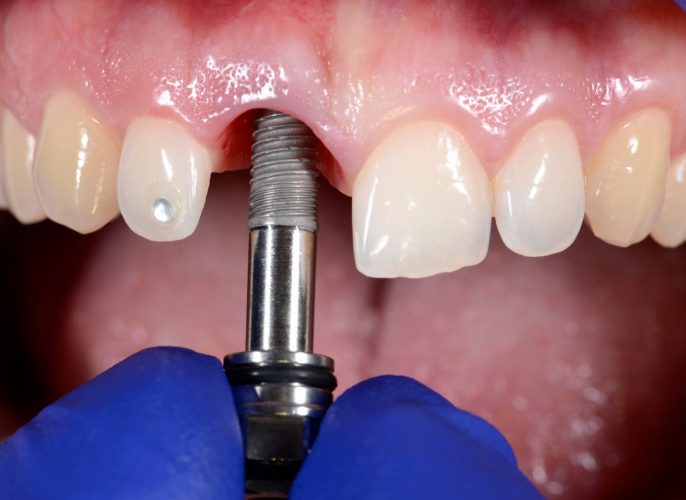
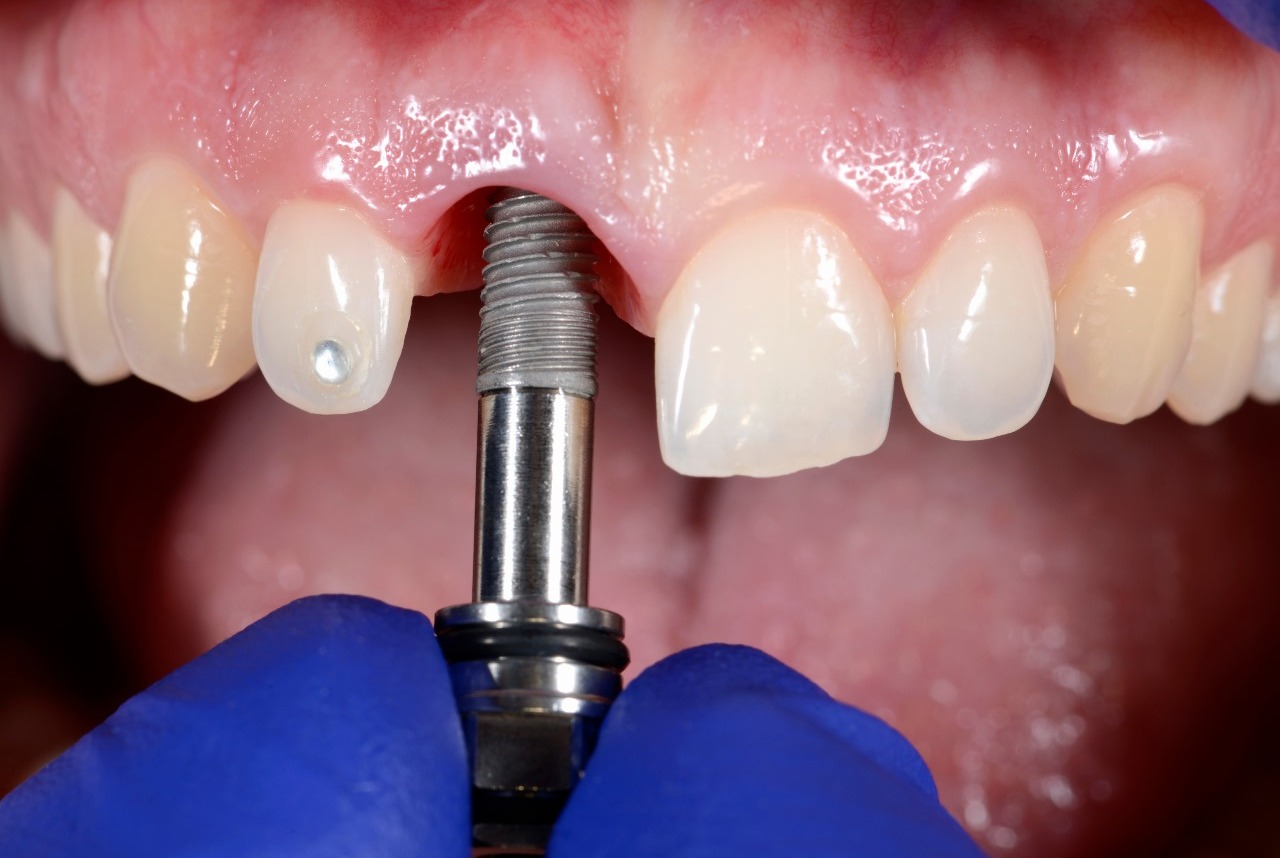
  • Dental implants
  • Gum surgery
  • Orthodontic treatments

It increases the risk of:

  • Dry socket
  • Infection
  • Implant failure

Dentists strongly advise stopping smoking before and after any dental surgery.


7. Reduced Success of Implants and Braces

Tobacco users face:

  • Lower dental implant success rates
  • Poor bone integration
  • Unpredictable tooth movement with braces

Treatment time becomes longer and more complicated.


8. Increased Risk of Oral Cancer

Tobacco use greatly raises the risk of:

  • Oral cancer
  • White or red patches in the mouth
  • Non-healing ulcers

Smokeless tobacco products are particularly dangerous. Early detection saves lives, but many patients report too late.


Are Vaping and E-Cigarettes Safe for Teeth?

No.

Despite being marketed as safer alternatives, vaping products still:

  • Dry the mouth
  • Irritate gums
  • Increase gum inflammation
  • Damage oral tissues

Vaping is not harmless for dental health.


Can Tobacco Damage Be Reversed?

Some improvement is possible after quitting, but not all damage can be undone.

✔ Gum inflammation may reduce
✔ Healing improves significantly
✔ Risk of tooth loss decreases

✖ Bone loss is permanent
✖ Advanced gum disease may require surgery

The earlier you quit, the better your chances of recovery.


Dentist’s Advice for Tobacco Users

  • Quit all forms of tobacco completely
  • Visit your dentist every 6 months
  • Do not rely on mouthwash to hide symptoms
  • Seek immediate care for bleeding gums, loose teeth, or mouth ulcers

Final Thoughts

Tobacco damages your teeth and gums silently and steadily.
Most people realize the harm only when it becomes irreversible.

Quitting tobacco is not only a life-saving decision for your body, but also the best protection for your smile, teeth, and confidence.


FAQs – Frequently Asked Questions!

❓ Does smoking cause gum disease?

  • Yes. Smoking reduces blood supply to gums, hides early symptoms, and accelerates bone loss, making smokers highly prone to severe gum disease.

❓ Which tobacco products are most harmful for teeth?

  • Smokeless tobacco like gutka, paan, and naswar are extremely harmful as they cause deep stains, gum damage, bone loss, and increase oral cancer risk.

❓ Can vaping damage teeth and gums?

  • Yes. Vaping dries the mouth, irritates gums, increases inflammation, and harms oral tissues. It is not safe for dental health.

❓ Can quitting tobacco improve oral health?

  • Quitting improves gum healing, reduces inflammation, and lowers the risk of tooth loss. However, bone loss cannot be fully reversed.

❓ Does smoking affect dental implants?

  • Yes. Smokers have lower implant success rates due to poor bone healing and increased infection risk.

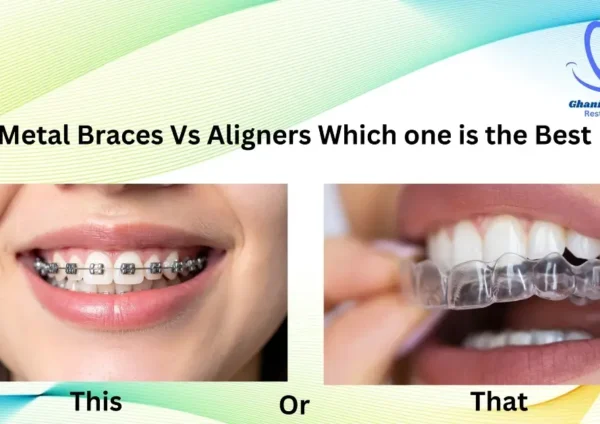
Aligners vs Metal Braces:

Which Orthodontic Treatment Is Right for You?

With modern advancements in orthodontics, straightening teeth is no longer limited to one solution. Today, patients visiting a dental clinic in Lahore often ask the same question: Should I choose clear aligners or traditional metal braces?

options are clinically effective and widely used, but the right choice depends on your dental condition, lifestyle, age, and professional orthodontic evaluation. At Ghani Dental Care Lahore, we help patients choose the treatment that delivers long-term, healthy, and stable results.

Let’s break it down clearly.


What Are Clear Aligners?

Clear aligners are custom-made, transparent trays designed to gently move teeth into alignment over time. Each aligner set is worn for about one to two weeks before switching to the next stage.

Because they are almost invisible, clear aligners in Lahore have become especially popular among adults and working professionals who want discreet orthodontic treatment.


Cases Where Clear Aligners Work Best

Clear aligners are ideal for mild to moderate orthodontic issues, including:

  • Mild to moderate teeth crowding
  • Mild spacing between teeth
  • Minor bite corrections
  • Patients with stable jaw relationships
  • Cases that do not require extractions

When used correctly and under professional supervision, aligners can produce excellent results.


Advantages of Clear Aligners

  • Nearly invisible appearance
  • Removable for eating and brushing
  • No food restrictions
  • Easier oral hygiene maintenance
  • More comfortable, with no sharp wires or brackets

For patients prioritizing aesthetics and comfort, aligners offer a modern orthodontic solution.


Limitations of Clear Aligners

Despite their benefits, aligners are not suitable for every case.

  • Not ideal for severe crowding or complex bite problems
  • Cannot manage impacted teeth or surgical cases
  • Require strict compliance (20–22 hours daily wear)
  • Missed wear time can delay treatment results

Aligners demand responsibility and discipline to succeed.


What Are Metal Braces?

Metal braces are the most traditional and widely trusted orthodontic system. They consist of metal brackets bonded to teeth and connected with wires that apply controlled forces to move teeth accurately.

Even today, metal braces remain the gold standard in orthodontic treatment.


When Are Metal Braces the Best Choice?

Metal braces are recommended for all types of orthodontic cases, including:

  • Severe crowding or spacing
  • Bite discrepancies (overbite, underbite, crossbite)
  • Tooth extraction cases
  • Impacted teeth
  • Orthognathic (jaw surgery) cases

Their strength and control make them unmatched for complex treatments.


Advantages of Metal Braces

  • Suitable for mild to severe cases
  • Continuous tooth movement without patient wear dependency
  • Precise and predictable results
  • Effective for children, teens, and adults
  • Strong long-term stability

For challenging orthodontic problems, metal braces deliver the most reliable outcomes.


Challenges with Metal Braces

  • Visible appearance
  • Initial discomfort and soft tissue irritation
  • Requires careful oral hygiene
  • Food restrictions to prevent breakage

With proper care and guidance, these challenges are manageable.


Patient Compliance Matters in Both Treatments

Success depends not only on the appliance but also on the patient.

  • Aligners require consistent wear
  • Braces require excellent hygiene and regular visits

Poor compliance can extend treatment time and affect final results, regardless of the option chosen.


Aesthetics vs Clinical Effectiveness

Clear aligners win in aesthetics. | Metal braces win in versatility and control.

While aligners are an excellent cosmetic choice for selected cases, metal braces remain the most comprehensive solution for complex orthodontic needs.


Who Decides the Best Treatment?

Patients are encouraged to share their preferences, but the final decision should always be made by a qualified orthodontist after a detailed clinical examination.

At Ghani Dental Care Lahore, we assess:

  • Case complexity
  • Age and growth pattern
  • Jaw alignment
  • Bite relationship
  • Long-term stability

This ensures safe, effective, and lasting results.


Final Verdict

There is no one-size-fits-all orthodontic treatment.

  • Clear aligners are ideal for patients with mild to moderate issues who value discretion and can maintain high compliance.
  • Metal braces remain the most reliable and versatile solution for all orthodontic cases, including severe and complex conditions.

The best results come from professional guidance, not appearance alone. A proper consultation is the key to a confident, healthy smile.


📍 Looking for Orthodontic Treatment in Lahore?

Book your consultation at Ghani Dental Care Lahore today and let our experts guide you toward the best treatment for your smile.


Frequently Asked Questions

Q: Are clear aligners better than metal braces?
Clear aligners are better for mild to moderate cases and patients who want discreet treatment. Metal braces are better for complex orthodontic problems.

Q: Which orthodontic treatment works faster?
Treatment time depends on case complexity and patient compliance, not just the appliance.

Q: Can adults get metal braces in Lahore?
Yes, metal braces are effective for adults and are commonly used for complex cases.

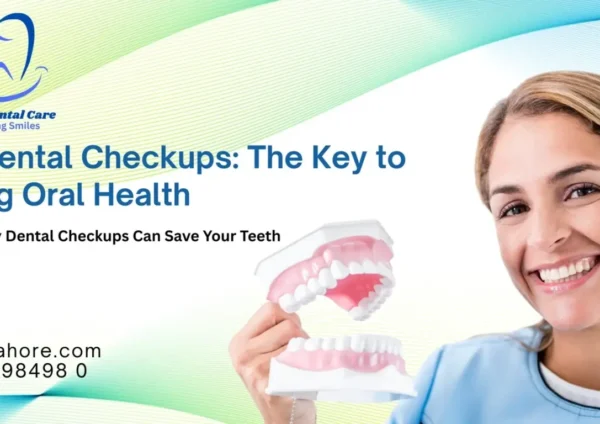
Why 6-Monthly Dental Checkups Matter in Pakistan

Early Detection, Easy Prevention & Long-Term Oral Health

Most people in Pakistan visit a dentist only when they feel pain. Unfortunately, pain usually means the problem has already become serious, painful, time-consuming, and expensive to treat.

Regular 6 monthly dental checkups are one of the easiest and smartest ways to protect your teeth, gums, and overall oral health.

Simple rule to remember:

✔️ Early detection = simple and affordable treatment
❌ Late detection = complex and costly procedures

Below are common dental problems that can be prevented or minimized simply by visiting Ghani Dental Care, (Best Dentists in Model Town Lahore) every six months.


Benefits of Regular Dental Checkups Every 6 Months

1. Early Detection of Cavities (Avoid Root Canal Treatment)

Dental cavities often start very small and painless. At this stage, they can be treated easily with a simple filling.

If cavities are ignored:

  • They grow deeper
  • Reach the nerve of the tooth
  • Cause severe pain and infection

This may lead to root canal treatment or tooth extraction.

✔️ 6-monthly dental checkups in Pakistan help detect cavities early, saving you from pain, lengthy treatments, and higher costs.


2. Early Detection of Gum Problems (Prevent Bone Loss)

Bleeding gums, bad breath, and mild swelling are early signs of gum disease that many people ignore.

If left untreated:

  • Gums pull away from teeth
  • Bone supporting the teeth starts dissolving
  • Teeth become loose and may eventually be lost

✔️ Early gum disease can be managed with professional cleaning and oral hygiene guidance
✔️ Regular dental visits prevent advanced periodontal disease and permanent bone loss


3. Detection of Harmful Oral Habits (Reduce the Need for Braces)

Habits such as:

  • Thumb sucking
  • Mouth breathing
  • Tongue thrusting
  • Nail biting

may seem harmless, especially in children, but over time they can cause:

  • Protruding teeth
  • Open bite
  • Jaw growth problems

✔️ Early detection and correction of these habits can reduce or even eliminate the need for braces later in life.


4. Detection of Retained Baby Teeth (Prevent Alignment Problems)

Sometimes baby teeth do not fall out on time and block the proper eruption of permanent teeth.

This can lead to:

  • Crooked teeth
  • Impacted teeth
  • Complex orthodontic treatment

✔️ Regular dental checkups help identify retained baby teeth early, allowing simple extraction at the right time and smooth eruption of permanent teeth.


5. Early Diagnosis of Jaw Problems (Class II & Class III)

Jaw alignment issues such as:

  • Class II: Upper jaw forward / lower jaw backward
  • Class III: Lower jaw forward

are best treated during the growing age.

If detected early:

  • Growth modification appliances can be used
  • Jaw growth can be guided naturally
  • The need for jaw surgery in adulthood may be avoided

✔️ Early diagnosis offers simpler and more effective treatment options


6. Early Extraction of Baby Canines (Guide Permanent Canines)

Permanent canine teeth sometimes erupt in the wrong direction, often towards the palate.

✔️ Early extraction of baby canines at the right time can:

  • Create space
  • Guide permanent canines into the correct position
  • Prevent impaction and surgical exposure later

Prevention Is Better Than Cure

A 6-monthly dental checkup:

  • Takes very little time
  • Is usually painless
  • Saves money in the long run
  • Prevents major dental problems

Whether it is a child, teenager, adult, or elderly person, regular dental visits are essential for everyone.

👉 Don’t wait for pain. Book your for 6-monthly dental checkups at GDC Lahore and protect your smile for life.


Frequently Asked Questions

How often should I visit a dentist in Pakistan?

  • Dentists recommend visiting every 6 months to detect problems early and avoid costly treatments.

Are regular dental checkups painful?

  • No, routine dental checkups are generally painless and quick.

Can dental problems exist without pain?

  • Yes, many dental problems start silently and are only detected during regular dental visits.

Are dental checkups important for children?

  • Yes, early dental checkups help monitor tooth development, habits, and jaw growth.

Importance of a Timely Orthodontic Checkup for Children

  • By Dr. M. Usman Ghani
  • Consultant Orthodontist & Specialist Dental Surgeon
  • Assistant Professor of Orthodontics,
  • Lahore Medical and Dental College, Lahore
  • Ghani Dental Care, Model Town, Lahore

Why Early Orthodontic Checkups Matter

Over the years of practicing orthodontics, I’ve noticed that many parents are unsure when their child should first visit an orthodontist.

Most people think that braces treatment should only begin once all permanent teeth have erupted or when the child is old enough to understand the treatment. While this can sometimes be fine, delaying the first checkup may lead to long-term dental problems that could have been easily prevented at an early stage.


1. The Hidden Importance of Baby Molars

Baby molars (the back milk teeth) are more than just chewing teeth — they act as space holders for upcoming permanent teeth, usually erupting around 11-12 years of age.

If a baby molar gets decayed or lost early, the neighboring teeth may drift into that space. This can cause crowding or crooked permanent teeth later on.

Early solution:

If treated in time, the tooth can be restored or replaced with a simple space maintainer. This small step often prevents the need for braces later and saves both time and money.


2. Front Teeth Coming Behind Lower Teeth (Anterior Crossbite)

Around age 7, the upper front teeth usually appear. Sometimes, these teeth erupt behind the lower teeth, causing both cosmetic and functional problems.

This may happen due to a retained baby tooth blocking the path of the new tooth.

If ignored, it can lead to:

  • Damage to the lower front teeth
  • Shifting of the lower jaw
  • Development of a facial imbalance

Early solution:

If parents visit a dentist early, removing the retained baby tooth often allows the upper tooth to move into its correct place naturally. If it locks into the wrong position, a simple removable or fixed appliance can correct it easily — much cheaper and simpler than full braces later.


3. Checking the Position of Corner Teeth (Canines)

Between 8-9 years of age, dentists or orthodontists should feel for the developing corner teeth (canines) in the upper jaw. If these are not palpable, they might be moving toward the roof of the mouth, leading to complex alignment problems later.

Early solution:

Removing certain baby teeth or creating space can help the permanent canine erupt correctly — avoiding future complications and costly treatments.


4. Reverse Bite and Jaw Growth Problems

Some children have a reverse bite, where their upper teeth are behind the lower ones. This often occurs due to slow or deficient growth of the upper jaw. If left untreated during childhood, this can only be corrected later with jaw surgery – a much more complex and expensive option.

Early solution:

When treated early, simple appliances can guide jaw growth and prevent future surgery.


5. Extra (Supernumerary) Teeth

Occasionally, children develop extra teeth that block the eruption of normal teeth or cause spacing problems.

Early solution:

A timely X-ray and dental visit can detect and remove these extra teeth early, ensuring that permanent teeth erupt in their correct position.


6. Finger or Pacifier Habits

Prolonged thumb or finger sucking, or even regular pacifier use beyond early childhood, can cause gaps between the front teeth and affect the bite.

Early solution:

If the habit stops before permanent teeth erupt, the issue often corrects itself. If not, an orthodontist can help stop the habit and guide teeth back to their proper position using gentle appliances.


7. Prominent Front Teeth and Risk of Injury

Children with forwardly placed upper front teeth (commonly called “buck teeth”) have a higher risk of trauma or breakage.

Early solution:

Early orthodontic correction not only improves appearance but also protects the front teeth from future injury.


Regular Dental Visits Are the Key

  • Children should begin regular dental visits as soon as their baby teeth erupt.
  • If any baby tooth is lost early, an orthodontic consultation is highly recommended.
  • Every child should have their first orthodontic assessment between ages 6 and 7.

This early checkup helps detect potential problems before they become serious, saving families from costly, lengthy, and complex treatments later in life.


Final Thoughts

Early orthodontic assessment is not about starting braces early — it’s about guiding your child’s dental growth and preventing future problems.

A simple visit at the right time can make the difference between a short, easy correction and a long, expensive treatment later.


📅 Book an Appointment Online

Want expert orthodontic guidance for your child?
Visit Ghani Dental Care, Model Town Lahore
or call (0333-4984-980) to schedule your child’s orthodontic checkup with
Dr. M. Usman Ghani.

0333 4984980

Need an Emergency Help? Call Us!